


Welcome to the collaborative initiative between the Alliance for Child Protection in Humanitarian Action (CPHA) and the Inter-Agency Network for Education in Emergencies (INEE). This joint effort aims to enhance the wellbeing of children and youth affected by emergencies, crises, and forced displacement through integrated programming. Our work focuses on fostering closer collaboration across all stages of the Humanitarian Programme Cycle. For more information, contact us at: info@alliancecpha.org.
Use the buttons below to explore tailored guidance, tools, and resources to help you integrate CPHA and EiE programming in your context.
Please use the ES - FR - العربية Buttons on the top, right hand side of your screen to find the page in Spanish, French, and Arabic. You can also find the page in Portuguese here.
Cross Sector Collaboration - Overview
CPHA and Education in Emergencies (EiE) are natural partners in humanitarian response. The two sectors have much in common: both are child-focused, are priorities for affected populations, and, through collaboration, they reinforce each other’s sectoral outcomes. Mainstreamed, joint, and integrated programming across CPHA & EiE add value to affected populations, service providers, and donors. Working together can create more efficient, better-targeted, and more effective programs that result in improved outcomes for children and young people (Alliance and INEE, 2021).
The Alliance and INEE are committed to strengthening the intersection between child protection and education during humanitarian crises at all levels of the Humanitarian Programme Cycle and at every stage in a response. The Joint Pledge at the Global Refugee Forum 2023 outlines three areas of shared responsibility and collaboration. They are:
What impact do we want to have with integrated programming:
- Improve child well-being and healthy development
- Improve learning outcomes through holistic support to well-being
- Prevent and mitigate certain protection risks while improving access, retention, and success in learning
- Prevent children “slipping through cracks” between sectors by centering the child in multi-sectoral, integrated programming
- Contribute to efforts to transform humanitarian delivery, and support the localisation agenda for stronger systems and communities in crises
This online resource helps users navigate the key resources that have been developed to support joint and integrated programming, collects tools, good practice examples and case studies, and provides guidance for advocacy and external engagement.
Supporting Change
This page helps users navigate the key resources and tools available to support joint and integrated programming, including good practice examples and case studies, and provides guidance for advocacy and external engagement. Sections are organised around key types of resources and includes an expanded collection of resources aligning with the Supporting Integrated Child Protection and Education in Humanitarian Action Guidance Note programmatic areas of work. The Guidance Note is organised by programmatic areas. Programmatic areas align with the domains and standards from both the Alliance’s Child Protection Minimum Standards (CPMS) and INEE’s Minimum Standards for Education (INEE MS).
Each section of the Guidance Note includes:
- Overview: A shared vision for integrated child protection and education programming in humanitarian responses.
- Guiding Questions: Initial questions to initiate discussions between the two sectors. Questions are organised against the Socio-Ecological Model. Your discussions are guided by the specific circumstances of your context.
- Indicators: Sample list of indicators to determine impact, output, or outcome. MEAL plans must fit the specific objectives and context of each intervention. Many national line ministries and authorities have standard indicators which should be referenced when possible.
- Resources: Key resources that support integrated programs selected through a consultative process with sector practitioners. Adaptation or contextualisation of resources to the realities of communities, systems, and structures impacted by crisis is essential.
- Examples: Spotlight examples of integrated programming in practice.
Looking for something specific? Use the bulleted lists to filter your search. Each area can be filtered for language with the most common languages being Arabic, English, French, Portuguese, and Spanish.
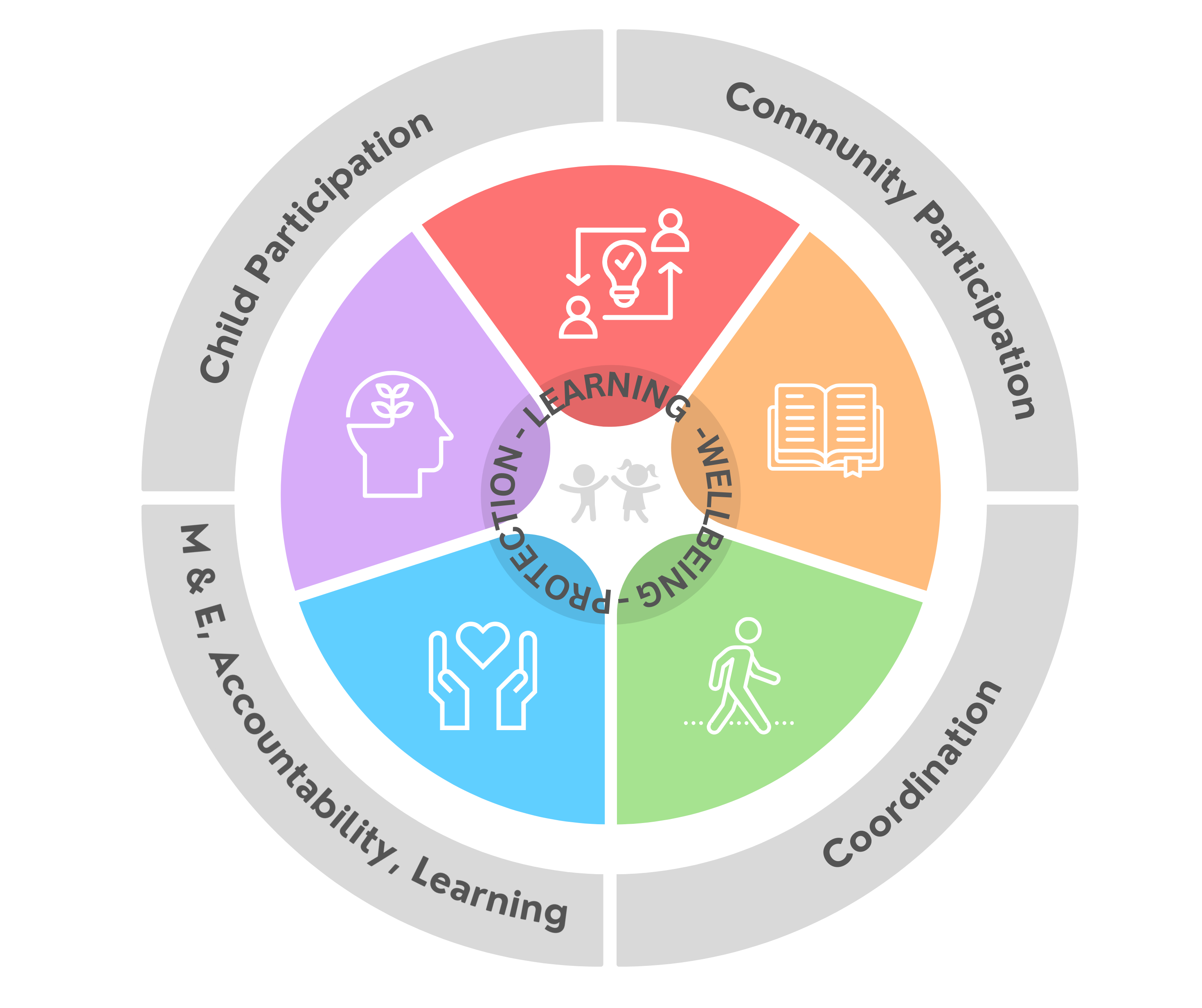




Children Who are at Risk of Their Protection Rights Being Violated (CPMS)
- Adolescents and Youth
- Younger Children (Early Childhood Development and Education)
- Children with Disabilities
- Gender
- Children on the Move: Refugee/IDP/Stateless/Migrant
- Unaccompanied and Separated Children (UASC)
- Harmful Cultural Practices
- Children in Contact with the Justice System
- Child Labor
- Children Associated with Armed Forces and Groups (CAAFAG)


Recursos clave - Implementación

Marco de coordinación y resumen de la colaboración CP-EiE
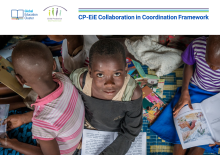
El Clúster Mundial de Educación y el Área de Responsabilidad Mundial de Protección Infantil se han comprometido a trabajar juntos para fortalecer la coordinación intersectorial entre la protección infantil y la educación, y han desarrollado conjuntamente un Marco de Colaboración CP-EiE.
El marco de colaboración CP-EiE apoya la colaboración predecible y coherente entre los equipos de coordinación
Nota de orientación | Apoyo a la programación integrada de protección y educación infantil en la acción humanitaria

Esta Nota de Orientación apoya a la Alianza y la Iniciativa Conjunta CPHA-EiE de la INEE al orientar a ambos sectores hacia oportunidades para la integración de programas. A través de la colaboración, ambos sectores pretenden cumplir el Objetivo de Desarrollo Sostenible 4 de proporcionar/garantizar “una educación de calidad inclusiva y equitativa y promover oportunidades de aprendizaje permanente
Recursos clave - Política, Abogacía e Investigación
Artículo de posición | Colaboración en materia de protección de la niñez y educación en situaciones de emergencia

En este documento, La Alianza y la INEE exponen las evidencias que respaldan la colaboración y la integración entre sectores, ofreciendo una justificación lógica para el trabajo intersectorial basado en el desarrollo integral y el bienestar de la niñez. El documento incluye un resumen de los desafíos y las oportunidades existentes y establece recomendaciones claras para una colaboración
Ensayo científico | Sin educación, sin protección: lo que el cierre de escuelas debido al COVID-19 implica para niños, niñas

La pandemia del COVID ha conllevado al cierre de escuelas a un nivel sin precedentes, afectando hasta un 90% de estudiantes en el mundo. El cierre de escuelas y de otras instituciones educativas se consideró necesario para disminuir la trasmisión del COVID-19 pero al mismo tiempo, el ensayo indica cómo esto ha tenido consecuencias claramente negativas en el bienestar de niños, niñas y jóvenes, en
Formación y desarrollo
El centro de aprendizaje electrónico de la Alianza
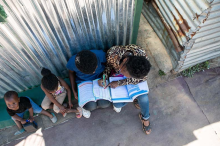
La Alianza está comprometida con el fortalecimiento de las capacidades del personal que trabaja en la protección infantil en el ámbito humanitario. Juntos, desarrollamos materiales didácticos de calidad y los impartimos mediante modalidades presenciales, en línea y mixtas.
El Centro de Aprendizaje Virtual de la Alianza reúne todos los recursos de aprendizaje y desarrollo de la Alianza. En el Área
Aprendizaje y desarrollo con INEE
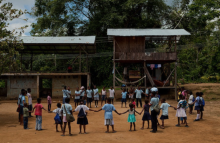
A medida que el mundo se enfrenta a crisis cada vez más complejas y prolongadas, el número de niños, niñas y jóvenes cuyo derecho a la educación está en riesgo sigue aumentando. Para satisfacer estas complejas necesidades, todos los profesionales y las partes interesadas deben seguir desarrollando sus conocimientos y habilidades en educación en emergencia y educación (EeE) para que puedan
