

Search

Key Messages and Considerations for Programming for Children Associated with Armed Forces or Armed Groups During the COVID-19 Pandemic, v.1
Every day a child remains with an armed force or group, he or she is at risk of physical, psychological and sexual violence, and even death. Prevention of recruitment; separating children from armed forces and groups; responding to their needs; and supporting the reintegration process are all life...
Webinar | Working with Communities to Keep Children Safe in Times of COVID-19
Infectious diseases like COVID-19 can disrupt the protective environments in which children grow and develop. Disruptions to families, friendships, daily routines and the wider community can have negative consequences for children’s well-being, development and protection. COVID-19 also has a direct...Podcast | Protected! Podcast Ep 2: Transitioning to a Remote Adolescent Programme in Lebanon
Have you ever wondered what happens when child protection actors have zero face-to-face access to the children and families they support? Plan International Lebanon faced that exact problem in March 2020, when the government imposed a curfew and state of emergency across the country. Elissa...Podcast | Protected! Podcast Ep 1: Prioritising MHPSS and CP Workers during COVID-19
This podcast is for all child protection actors everywhere. Wherever you are, hit the Play button now! Dr Zeinab Hijazi, the mental health and psychosocial support expert from UNICEF talks to Hani Mansourian, the Alliance's Co-coordinator about the coronavirus pandemic and its effects on mental...
Working with Communities to Keep Children Safe, v.1.1
Infectious diseases like COVID-19 can disrupt the protective environments in which children grow and develop. Disruptions to families, friendships, daily routines and the wider community can have negative consequences for children’s well-being, development and protection. COVID-19 also has a direct...
Technical Note: COVID-19 and Child Labour
Worldwide, an estimated 152 million children are in child labour, almost half of them, 73 million, work in hazardous child labour. The global health crisis is leading to mass disruption with far-reaching consequences. Many children are out of school and economic pressures on families continue to...
COVID-19: Protecting Children from Violence, Abuse and Neglect in the Home
It is abundantly clear that risk factors for violence, abuse, and neglect are on the rise for children under containment. At the same time, some COVID-19 prevention measures have abruptly cut children off from positive and supportive relationships they rely on when in distress, including at school...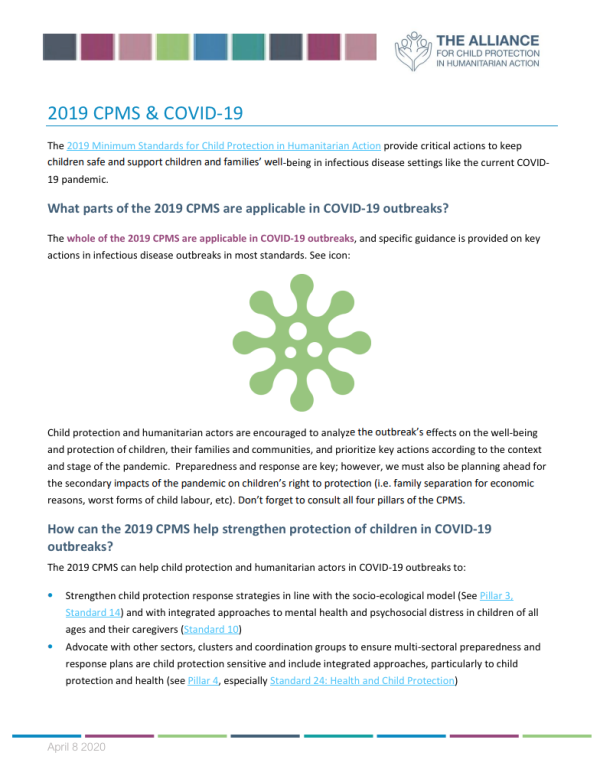
2019 CPMS and COVID-19 Brief
The 2019 Minimum Standards for Child Protection in Humanitarian Action provide critical actions to keep children safe and support children and families’ well-being in infectious disease settings like the current COVID-19 pandemic. This brief answers key questions such as: What parts of the 2019 CPMS...
Social Service Workforce Safety and Wellness during the COVID-19 Response: Recommended Actions
A well-supported, appropriately equipped, empowered, and protected social service workforce is essential to mitigating the damaging effects of the COVID-19 pandemic. Social service workers can build on their existing strong ties to children, families, and communities to rapidly respond in ways that...
2019 Annual Meeting Report: The Humanitarian-Development Nexus and the Launch of the 2019 Edition of the CPMS
The 2019 Annual Meeting was held in Geneva, Switzerland, and brought nearly 150 participants from around the world. The "Humanitarian-Development Nexus" focused the presentations around the strengths, weaknesses, opportunities, and threats actors face when working within the nexus. Some common...
2019 Annual Report | The Alliance for Child Protection in Humanitarian Action
2019 was marked by the launch of the 2019 Edition of the Minimum Standards for Child Protection in Humanitarian Action (CPMS) at the Annual Meeting in Geneva. This new edition integrates field experience and new learning to create a stronger link between child protection and other sector actors...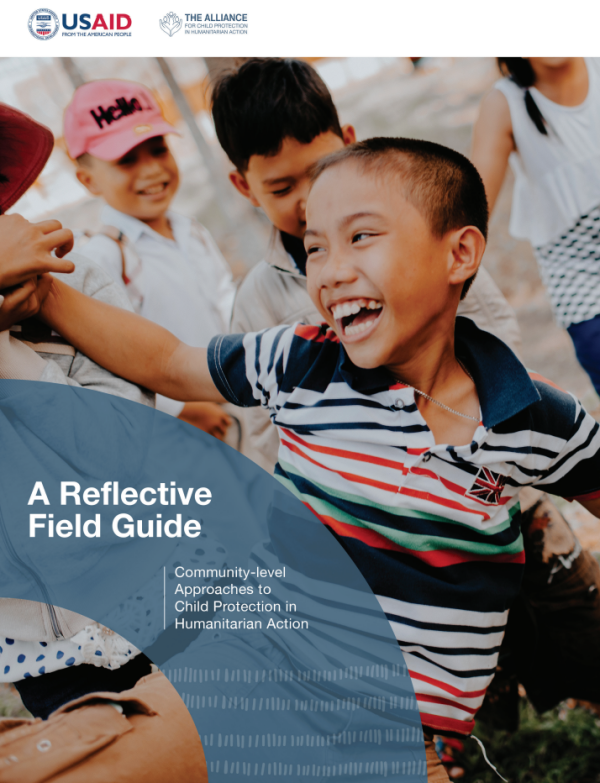
A Reflective Field Guide: Community-level Approaches to Child Protection in Humanitarian Action
The Community-level Approaches to Child Protection in Humanitarian Action Reflective Field Guide aims to contribute to fostering more authentic community engagement in humanitarian child protection action. It encourages honest reflection and discussion about current programming, what strong...
Capacity-Building Package | Strengthening Community-level Child Protection in Humanitarian Action
The Strengthening Community-level Child Protection in Humanitarian Action Capacity-building Package is intended to help practitioners adapt more community-driven approaches into their current programming, plan new programs with higher levels of community involvement, and build capacity in the...
Advocacy Messages for Child Protection Actors: Prioritising Child Protection in COVID-19 Response Plans
Emergency responses to COVID-19 are intended to speed containment of the virus but can have devastating consequences for children if they ignore unique risks to their safety and fail to include specific child protection provisions. Protecting children from violence and exploitation can be life...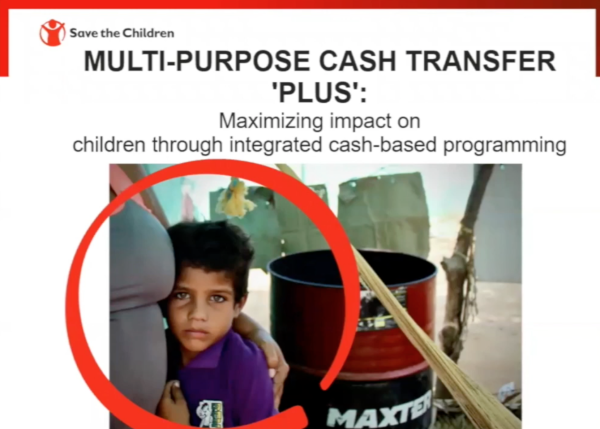
Webinar | Multi-Purpose Cash Transfer and Child Protection: A Case Study
The global Cash and Child Protection Task Force is pleased to announce a webinar (English/Spanish) to present a case study from Save the Children’s multi-purpose cash transfer ‘Plus’ program in response to the influx of Venezuelan into Colombia. In 2018, with the support of OFDA and FFP, Save the...
2019 Edition of the Minimum Standards for Child Protection in Humanitarian Action (CPMS)
The Minimum Standards for Child Protection in Humanitarian Action (CPMS) have become one of the key resources for humanitarian workers since its launch in 2012. The CPMS have been developed to support child protection work in humanitarian settings by: Establishing common principles between those...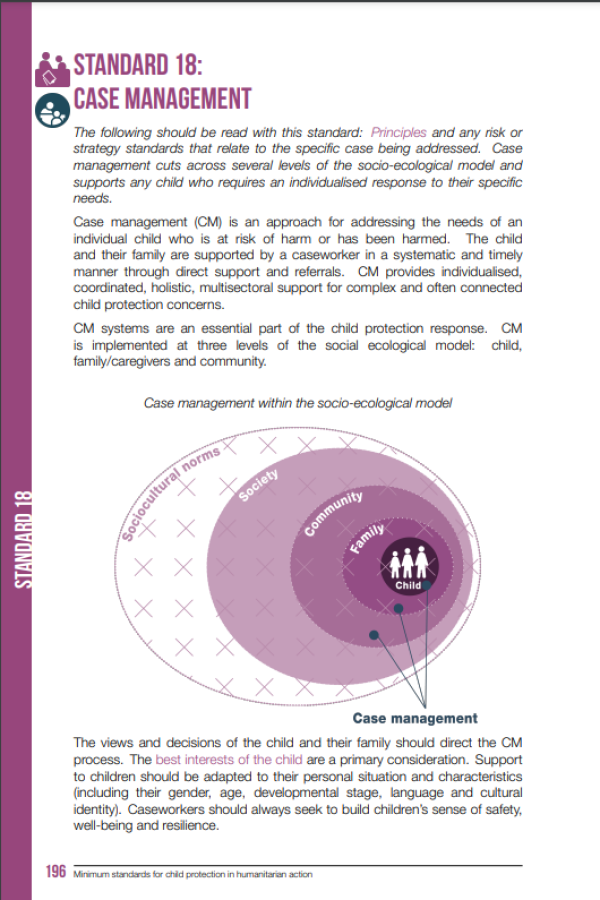
CPMS Standard 18 - Case Management
Case management (CM) is an approach for addressing the needs of an individual child who is at risk of harm or has been harmed. The child and their family are supported by a caseworker in a systematic and timely manner through direct support and referrals. CM provides individualised, coordinated...
Protection of Children during the COVID-19 Pandemic: Children and Alternative Care
Evidence from previous infectious disease outbreaks indicate that existing child protection risks are exacerbated, and new ones emerge, as a result of the epidemic as well as of the socioeconomic impacts of prevention and control measures. Some children are at increased risk in these circumstances...
Technical Note: COVID-19 and Children Deprived of their Liberty
Experience from previous infectious disease outbreaks indicates that new child protection risks are likely to emerge from the direct effects of COVID-19 as well as from measures to prevent and control its spread. Moreover, existing child protection risks are likely to be exacerbated. Some groups of...
Webinar | Child Protection and COVID-19 (Including Refugee Populations)
Children in refugee contexts are at heightened risks of abuse, neglect, exploitation and violence risks during the COVID-19 pandemic. In response, the Alliance of Child Protection in Humanitarian Action with UNHCR will be hosting a webinar to explore the key considerations for adapting child...